Why I Charge My Students Rent: A Classroom Economy Strategy That Builds Responsibility
Why I Charge My Students Rent: A Classroom Economy Strategy That Builds Responsibility
I've had a sign outside my classroom door since my first year of teaching that says:
"Math is hard. So is life."
It makes students laugh — but it also sets the tone.
Because here's the truth: nothing in life is free. And one of the most effective ways I teach responsibility and accountability in my classroom is by charging students rent as part of our classroom economy.
Not to be harsh. Not to punish. But to teach real-world habits in a low-stakes, supportive environment.
What Are Classroom Economy Bills?
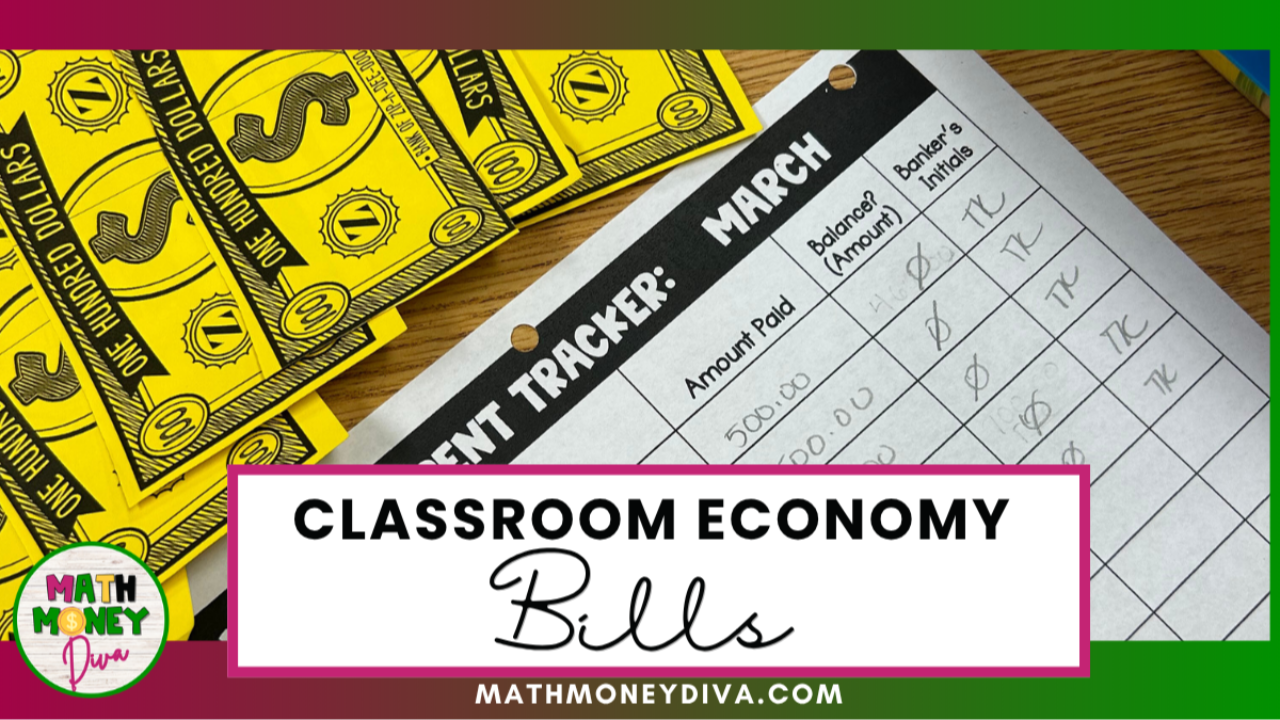
Classroom economy bills act as your classroom's currency. They come in different denominations and allow students to experience real-world financial situations in a way that's age-appropriate and structured.
With classroom economy bills, students can:
- Earn paychecks
- Pay bills (like desk rent)
- Budget for rewards
- Practice saving or investing
This creates a mini financial system that supports both behavior management and financial literacy — without overwhelming students.
This system works best when it's part of a larger classroom economy structure where expectations, routines, and incentives are clearly defined. If you're just getting started, here's exactly how to implement a classroom economy in middle school step by step.
Why I Charge Rent in My Classroom
Charging rent isn't about money — it's about ownership.
When students pay rent for their desks, they're not just spending classroom currency. They're learning that their space, behavior, and choices matter. Here's why it works so well.
1. Charging Rent Teaches Responsibility
Paying rent mirrors real life.
Students learn that their actions have consequences, responsibilities don't disappear when they don't feel like showing up, and shared spaces require care. Students take more pride in keeping their area clean and organized because they've invested in it.
2. Natural Consequences Feel Fair — Not Personal
One of the biggest benefits of charging rent is that consequences feel neutral, not emotional.
Disruptive behavior or missed responsibilities don't turn into power struggles; they turn into late fees, class fines, or reduced earnings. It becomes a cause-and-effect system instead of a lecture.
This approach also helps you avoid some of the most common pitfalls teachers run into when building these systems. I'm sharing the ones I learned the hard way in 5 Classroom Economy Mistakes I Made — and What I'd Do Differently.
3. Students Practice Real-Life Money Management
Students earn money. Students pay bills. Students decide what to save or spend.
That's real-world math in action.
Through this system, students practice budgeting, prioritizing expenses, and decision-making — and yes, it absolutely changes the classroom atmosphere. Students become more mindful of their choices because those choices have visible outcomes.
4. Financial Literacy Happens Naturally
Instead of teaching financial literacy in isolation, students live it.
They learn how to plan, how to recover from mistakes, and how to manage limited resources. These lessons stick because they're experienced — not just explained.

How the Classroom Economy Runs Day to Day
Students earn paychecks through classroom jobs, participation, and effort. They use their earnings to pay desk rent, purchase privileges, or save and invest.
To keep this system manageable, it needs to run alongside strong classroom routines so it never interrupts instruction. One of my favorite tools for making that happen is consistent agenda slides when students know exactly what's coming the moment they walk in, and financial tasks fit naturally into the flow. Here's how I use agenda slides to create structure in my middle school math classroom.
And if you want everything you need to launch this system without starting from scratch, my Classroom Economy Banking Bundle for Middle School includes the bills, banking system, and classroom store components all in one place — ready to go.
When a Full Classroom Economy Feels Like Too Much
Here's the honest part.
A full classroom economy — with rent, banking, jobs, and tracking — works beautifully in some classrooms. In others, it can feel like too many moving parts.
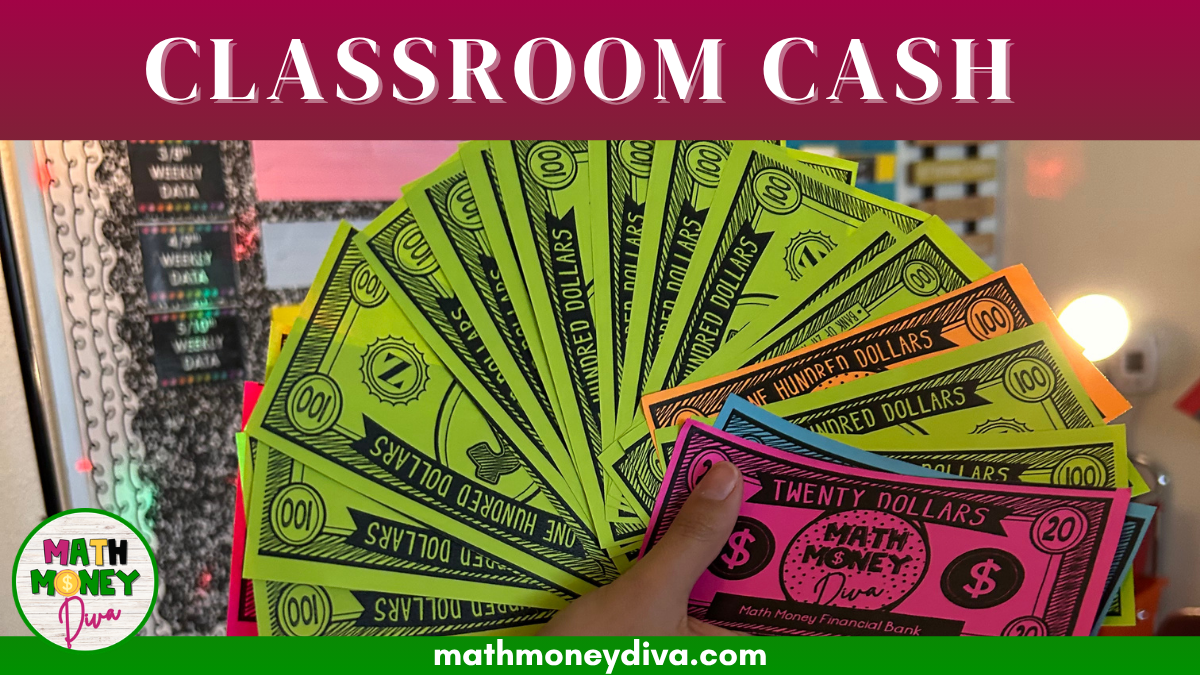
That's why I also offer Classroom Cash — a simplified incentive system that focuses on participation, effort, and accountability without the heavy tracking. It works especially well for Tier 2/3 students or classrooms that need structure without overload.
Grab the free Classroom Economy Starter Kit and see which approach fits your classroom best.
Final Thought
Charging rent in the classroom isn't about control — it's about preparation.
Students learn responsibility, accountability, and financial habits in a space where mistakes are safe and growth is supported.
Whether you run a full classroom economy or a simplified system like Classroom Cash, the goal is the same: teach life skills while protecting your peace as a teacher.

Don't miss a beat!
For more education tips and valuable information on classroom economy and math teaching resources, join our community!
We hate SPAM. We will never sell your information, for any reason.
Hey Teacher Friend!

