How to Implement a Classroom Economy in Middle School in 5 Easy Steps
So you've been thinking about starting a classroom economy...
A classroom economy can completely transform the culture in your middle school classroom — but only when it's set up with intention.
When done well, a classroom economy supports student accountability, positive behavior, responsibility, and smoother classroom management. When done poorly? It becomes one more thing on your plate, slowly fading out by November.
In this post, I'm walking you through exactly how to implement a classroom economy in middle school — classroom jobs, banking systems, tracking, and the common mistakes to avoid — so you can build a system that actually sticks.
What Is a Classroom Economy in Middle School?
A classroom economy is a structured system where students earn classroom currency for responsibilities, effort, and positive behavior. They can spend that currency on privileges, incentives, or classroom opportunities.
At its core, a classroom economy teaches responsibility, time management, decision-making, and accountability.
But here's the real benefit: it creates structure and consistency — and middle school students thrive on that.
Step 1: Set Clear Goals Before You Start
Before you assign jobs or print a single dollar, you need clarity on what you actually want this system to do.
Ask yourself:
-
What behaviors do I want to reinforce?
-
What habits do I want students to build?
-
How much time can I realistically give this system?
Your classroom economy should support instruction, not compete with it. When I first started, I skipped this step, and I paid for it with unnecessary complexity. Now I keep it focused on three things: participation, responsibility, and consistency.
Step 2: Choose Meaningful Classroom Jobs
Classroom jobs are one of the most powerful parts of a classroom economy when they're intentional.
One mistake I see teachers make? Starting with too many jobs at once. It feels like more structure, but it actually creates more confusion — for you and for your students.
Here's what I've learned: begin with 15–20 essential roles and only expand if the system genuinely calls for it. Think about what your classroom actually needs help with every single day — materials, technology, communication, organization. Build your job list around those real needs first.
Some of my most essential starting roles include:
- Assistant Teacher — supports instruction and helps answer student questions
- Banker — manages classroom economy records and transactions
- Materials Manager — distributes and collects supplies efficiently
- Tech Helper — troubleshoots device issues so you don't have to stop teaching
- Clean-Up Monitor — ensures the room is ready for the next class
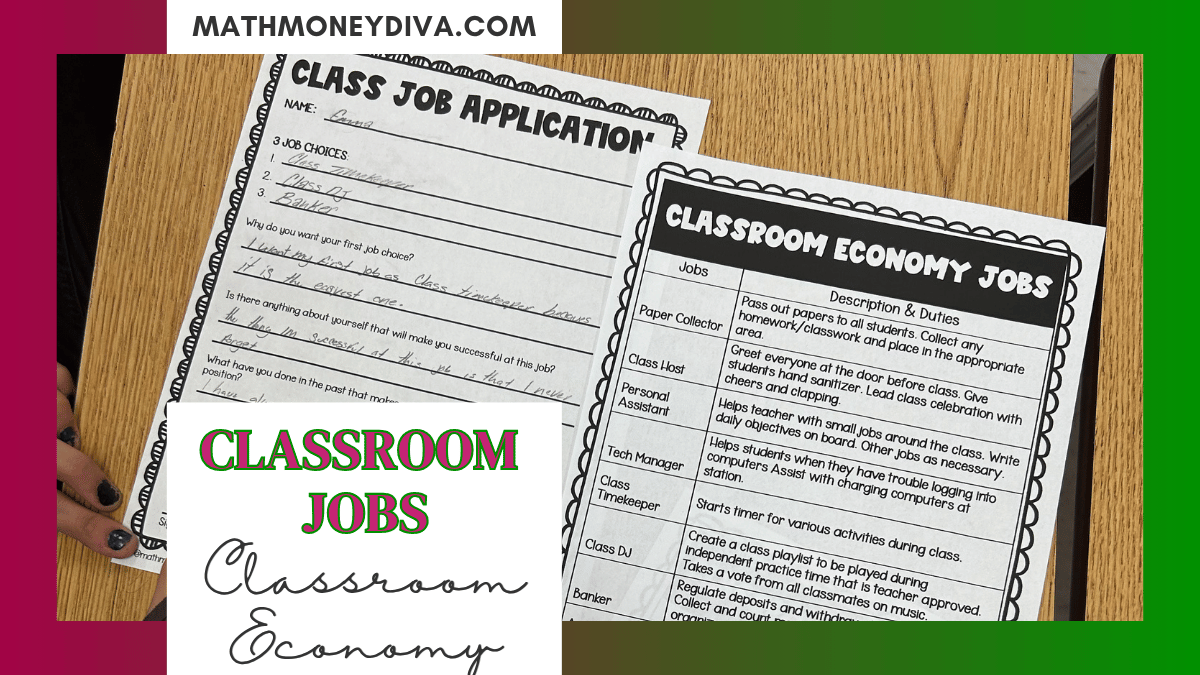
Not sure where to start? I put together a free list of 20 classroom jobs designed specifically for middle school. Grab it below and have your job board ready before you even launch the system.
👉 Download the Free 20 Classroom Jobs List
Step 3: Use Job Applications to Build Real Buy-In
Here's where it gets good. Instead of just assigning jobs, treat them like real positions.
Students apply for up to three jobs, explain why they're a good fit, and sometimes go through a short interview process. You can run this efficiently through Google Forms or even short video responses.
This one step alone builds ownership and accountability and makes students way more invested in showing up for their role.
Step 4: Set Up Your Classroom Bank
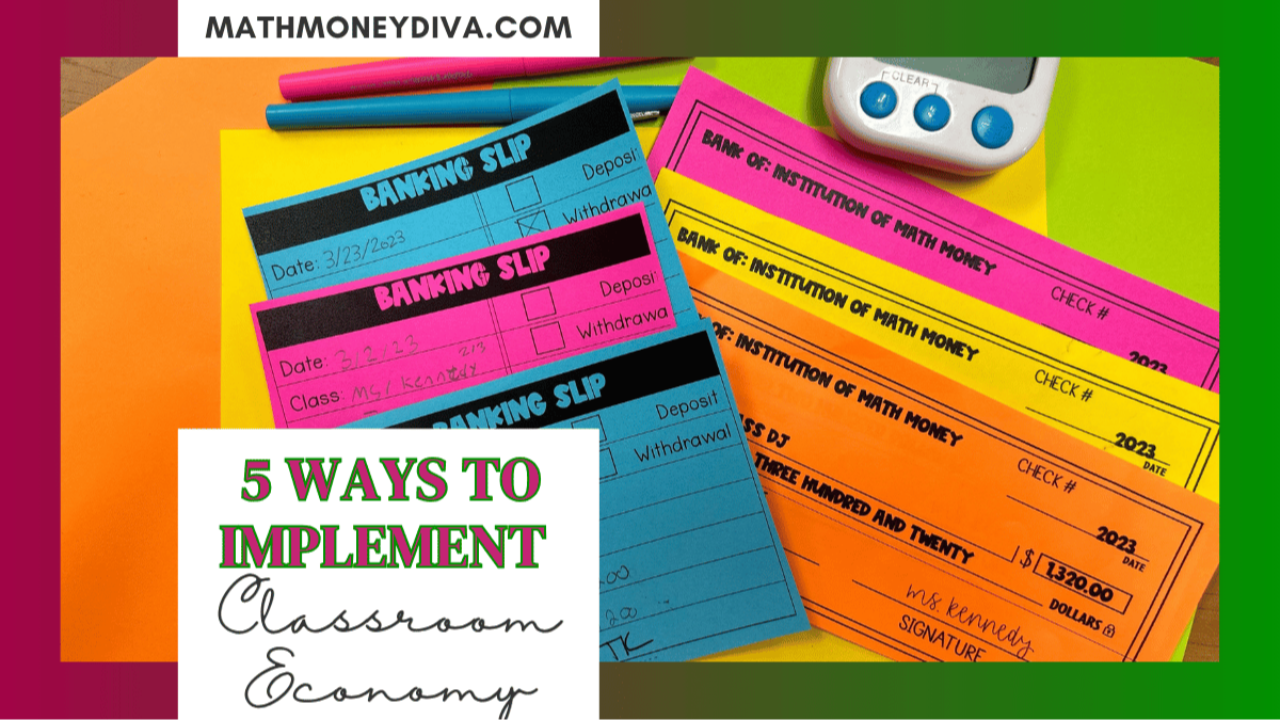
While students are applying, set up your banking system. It can be paper-based, digital, or a hybrid — whatever works for your classroom.
Key things to have in place:
- Clear currency denominations
- A consistent pay schedule
- Simple, desirable reward options
And here's a tip: privileges often work better than physical prizes.
- Choice seating
- Extra tech time
- Homework passes
- Lunch with the teacher
Speaking of rewards, classroom coupons are one of my favorite things to add to the classroom store. Students love having something tangible to spend their cash on, and they're easy to manage. Check out this post on the classroom store to see how I use them alongside the classroom economy.


Don't miss a beat!
For more education tips and valuable information on classroom economy and math teaching resources, join our community!
We hate SPAM. We will never sell your information, for any reason.
Hey Teacher Friend!

